

Give Your Students OWNERSHIP OF THEIR VOICE, BEFORE THE WORLD CLAIMS IT.
Speech and debate gives students the habit of thinking for themselves, speaking when it matters, and engaging people who disagree with them. Over time, that is how a more thoughtful Los Angeles gets built.
Competition begin in January 2027.
Schools are enrolling and teams are forming now.
What speech and debate does for students who compete
Sources: Snider & Lawrence (2011), Debate: Important for Everyone; Los Angeles Metropolitan Debate League Impact Report, 2024
What middle school students deserve
Middle school students deserve to be prepared for a world that will tell them not to speak up for themselves. That world hands them answers, rewards scrolling over speaking up, and makes disagreement look like something to avoid. Speech and debate is that preparation. In Los Angeles, most families looking for speech and debate will find a for-profit academy. When a school runs a team, all its students have access.
The antidote to AI
AI does not just find answers. It produces the reasoning too, finished and confident, and students who accept it never have to do the thinking themselves. A round gives them no way around it. They have to build the argument, know why the evidence supports it, and defend it against someone arguing the opposite.
Purposeful Reading
Every student in the league reads the same research packet all season. They read it knowing they will have to use that evidence out loud in a round, which is different from reading a chapter assigned for a quiz.
Discovery over scrolling
An algorithm decides what students see next, and it chooses more of what they already agree with. A debate season requires the opposite. Teams argue both sides of the resolution across rounds, so every student has to make the case they came in disagreeing with.
Disagreement without the escalation
Online, the fastest and most personal response gets the most attention. A debate round is scored on the opposite behavior. Students have to listen to the argument on the other side, answer it with evidence, and stay respectful.
Our Principles
Why the league is built this way
Thirty years of building speech and debate programs has shown us what makes them last and what makes them disappear. Coaches run out of capacity. Tournaments that offer every event end up with divisions of three or four competitors. School administrators cannot tell the events apart, or work out which one fits what they want for their students. Four principles come out of that.
Access · Sustainability · Predictable use of school resources · Competitive equity
Access
- Speech and debate should be an activity families weigh alongside a sport or an instrument
- Most families never encounter it until high school, so it rarely gets that consideration
- A season is worth doing whether or not a student competes again
Sustainability
- One topic area for the season, and one shared research packet
- Curriculum and practice plans come from the league
- Meets run two to three hours and never longer
- Six meets, with a clear start and end
Predictable use of school resources
- A school knows the hours before it commits
- Meets have a fixed length, so transportation is a known cost
- Two events means one coach covers the whole team
Competitive equity
- Every student works from the same research packet
- No advantage for schools that can pay for research help or hire argument coaches
- What separates competitors is how well they use the material

Close to home
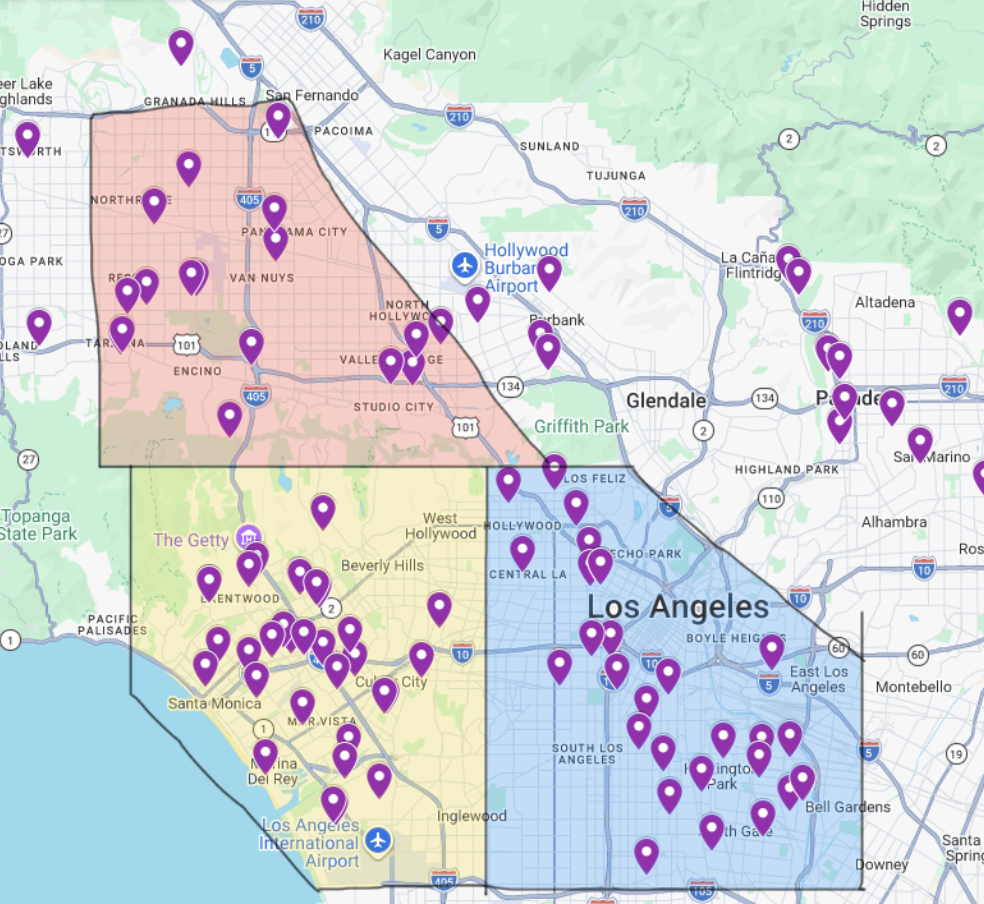
This map is what we are building toward. Every pin is a middle school in one of the areas we are focused on, and the colored regions are the leagues those schools could form. None of them exists yet. Schools in the same league would sit a few miles apart, which is what keeps a meet reachable on a weekday afternoon instead of turning it into a drive across the county.
The map shows where we are starting, not where we intend to stop. If your neighborhood is not on it, that is a conversation we want to have.
League Leadership
The National Speech & Debate Association
The NSDA is the largest interscholastic speech and debate organization in the country and its national standard-setter. It has run a student honor society since 1925, and it sets the formats, rules, and coaching standards this league is built on.
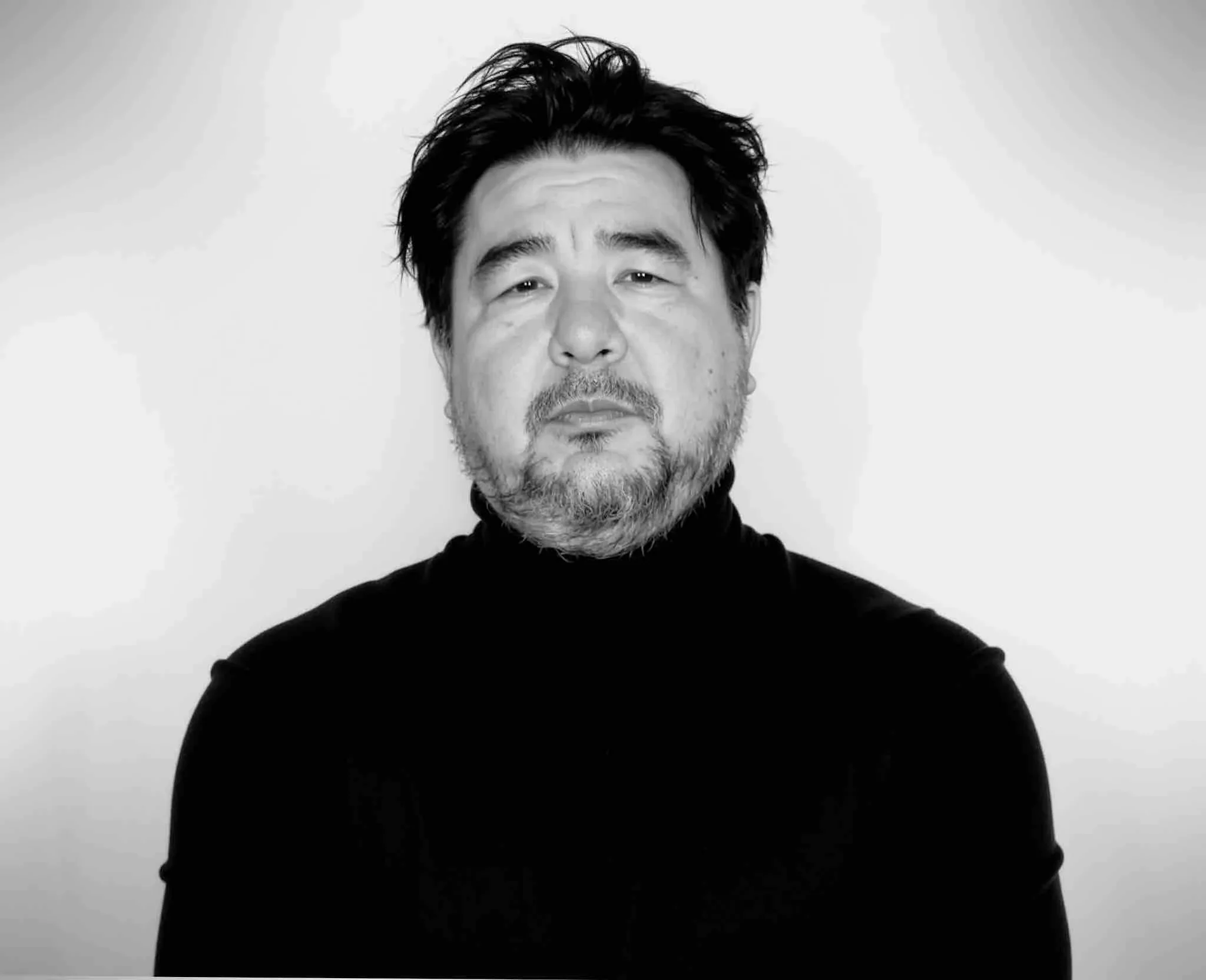
Mike Bietz
Mike has spent nearly thirty years building debate programs. He has served on the Tournament of Champions Advisory Committee, worked with the Los Angeles Metropolitan Debate League, and served as president of the National Debate Coaches Association. He was inducted into the Tournament of Champions Coach Hall of Fame as its first Asian-American and first Southern Californian member.

Chris Theis
Chris is the Executive Director of Victory Briefs, one of the most influential debate organizations in the country, where he has built instructional materials used by programs nationally. He has held leadership roles with the Tournament of Champions, the NSDA, and the National Debate Coaches Association.
Get Involved
I work at a school without a speech and debate team
Advising takes about an hour a week for practice, plus six meets of two to three hours each between January and March, and a championship to close the season. No debate background is required. The league writes the topic packets, plans the practices, handles all scheduling, and trains advisors before the season starts. It also covers the school's NSDA charter membership and every student's membership in a century-old national honor society. If you are not the person who decides, this page has what you would need to bring to whoever is. If your school already has a program, we would still like to talk, since joining a league is a smaller step than starting one.
See what it takesI compete in high school speech and debate
Going back to the middle school you attended and asking them to start a program is a specific thing to put on a college application, and it takes one meeting to earn. You set up a short meeting between someone at the school and league staff, and Mike makes the case in it. Depending on your NSDA chapter, the work may count toward service recognition, so check with your coach. Anyone who does this in the first season is a Founding Student Ambassador. The commitment ends once the meeting happens, though ambassadors who want to keep going can help the new advisor recruit students, show up to a first practice or an early meet, and be the person a school calls when it is unsure about something.
Become an ambassadorMy child is in middle school
A middle schooler and a parent do this as a team. Your child is the reason a school should say yes, and a parent reaching out to their own child's school is hard to turn down. The job is only to set up a short meeting between someone at the school and league staff, and Mike makes the case in it. You are copied on every message and welcome on any call.
Sign up as a teamI want to support this
Meets need volunteer judges, and no debate background is required, because the league trains every judge. If your firm gives employees time for community service, judging is a good place for it to go. Financial support matters too, since the league covers fees and materials but a school still carries the coach stipend and transportation to meets. That support can be as small as snacks for one meet or as large as a school's first season.
Find a roleI know someone at a middle school
The hardest part of starting a league is the first conversation with a school. If you know a principal, an assistant principal, or a teacher at a Los Angeles middle school, an introduction from you does more than anything we can send them cold. Tell us the school and who you know, and we will follow up from there.